What does a transportation company do?
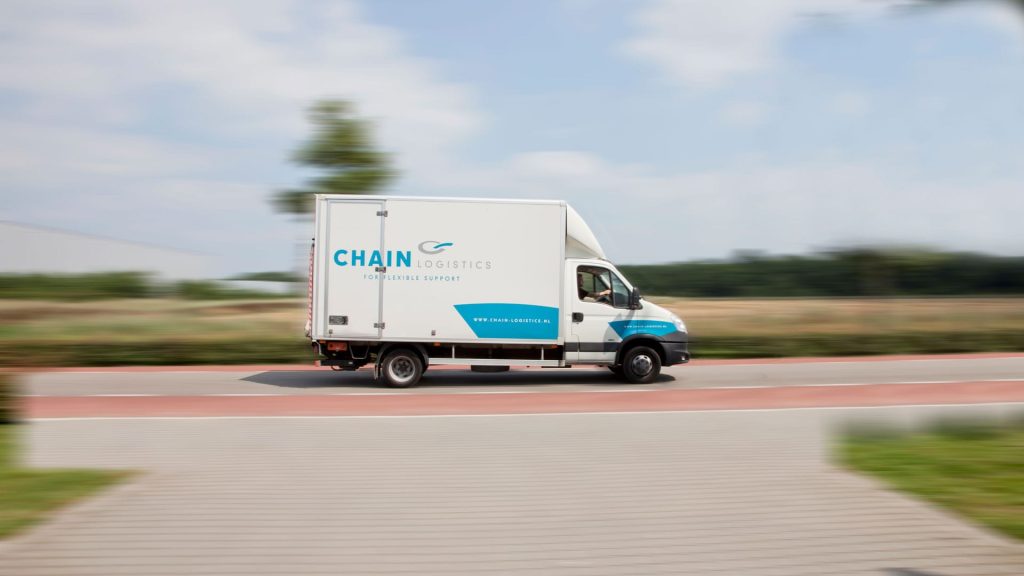
The answer to this question seems simple. Transporting goods—whether food or non-food items—and/or people from point A to point B, right? That’s correct, but there’s more to a transportation company than just transportation. We’d be happy to explain.
Definition of a transportation company
Wikipedia is short but to the point: a transportation company is a company that specializes in transportation. This can include both freight transportation and passenger transportation. The latter, in turn, is further divided into public transportation, private transportation, and taxi services.
Transportation, therefore, involves moving goods or people. Freight transportation, in particular, is a key component for many companies. Think of a company’s own products that need to be delivered to customers, or, conversely, external products—such as parts—that a company needs for manufacturing.
Types of Transportation
There are various types of transportation services that a transportation company can offer. These include domestic and international transportation and pallet transport, but also to direct transport or package delivery. In addition, there are various options for transporting goods, such as road transport, sea transport, and air transport.
What requirements must a transportation company meet?
Not everyone can just start a transportation company. Registering with the Chamber of Commerce and obtaining the required VAT number is easy enough, but if you want to offer commercial freight transport, a carrier must also have the necessary permits. Such as a Certificate of Professional Competence and/or a NIWO permit (Euro permit), the business license for transportation companies. This license is required for:
- the transportation of goods for a fee on behalf of third parties;
- Domestic and international transportation using vehicles with a payload capacity of more than 500 kg.
In most cases, a CEMT permit is also required for transport outside the EU.
In addition, both the transportation planners (who are responsible, among other things, for scheduling drivers’ routes) and the drivers must be familiar with applicable laws and regulations in the Netherlands and/or abroad. Drivers must hold a valid Class B driver’s license and/or a Class C driver’s license with Code 95 (required for the professional operation of a vehicle for which a Class C1(E), C(E), D1(E), or D(E) license is necessary). Transportation planners typically work with advanced route planning systems and other transportation software, which not only enable them to plan efficiently but also help them keep track of costs such as purchasing and sales expenses.
Chain Logistics is also a long-established transportation company. We hold all the necessary permits and operate our own extensive fleet of vehicles. Our experienced transport planners and drivers are up to date on the latest laws and regulations (both national and international) and know exactly what they need to do to transport your goods from A to B, whether within the Netherlands and the Benelux region or throughout the rest of Europe. Fast, reliable, safe, and cost-effective.
Looking for a transportation company?
As a versatile logistics service provider, we offer a variety of transportation services for businesses. So, are you looking for a transportation partner and would you like to learn more about the services offered by Chain Logistics? Please feel free to contact us.