A Win for Do-Gooders
Making the world a better place with your business. For social entrepreneurs, social impact is what matters most. But does that really work in a world of quotas, profit maximization, and paychecks?
He recently attended a meeting with several representatives from major Dutch companies. “Rob,” they said, “the part of your business dedicated to social initiatives is consistently operating at a loss. Why do you keep doing it?” The answer given by Rob Jansen, owner of Chain Logistics B.V., is typical: “Why give up when your company can really make a difference? So be it if that means a little less profit.”
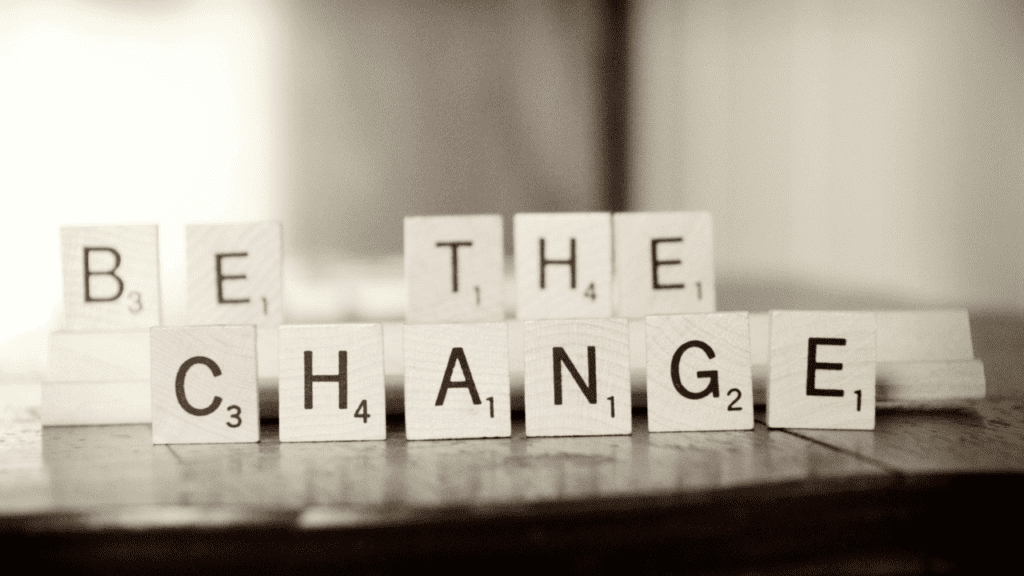
Social enterprising—entrepreneurship with a social mission—is a concept that has been gaining traction since the 1970s. Inspired by Mahatma Gandhi’s saying, “Be the change you want to see in the world,’ entrepreneurs around the world have launched businesses with the goal of contributing to society.
In Germany, the number of social enterprises now ranges between 1,700 and 70,000, depending on the criteria used. In the Netherlands, there are now an estimated 4,000 to 5,000 social enterprises, and Rob Jansen’s company is one of them. After working for an American company for many years, Jansen grew tired of the impersonal way of doing business there and started his own logistics company. Through this venture, he helps people who are far removed from the job market enter the workforce. Of the 75 employees in his company, he trains 30 of them. According to Jansen, the main difference from a ‘regular’ company lies in the way his business handles profits. “A social enterprise must also make a profit; otherwise, it has no reason to exist. But it’s important that we can demonstrate how we handle that profit. I could buy a fancy car, but I could also invest the profit back into my business.“ It’s not just fellow entrepreneurs—who tend to think primarily in commercial terms—who sometimes question his social approach to business. His staff doesn’t always understand Jansen’s way of thinking either: “The trick is to get others on board with your vision. That can be difficult at times. Especially in tough times, the staff just wants to put food on the table.”
Jansen sees a bright future for social enterprises, and Melanie Akerboom of Social Impact—a German company that develops products and services to support social enterprises—is also optimistic: “In Germany, social entrepreneurship is ‘cool.’ There are an increasing number of studies on social entrepreneurship, and there are also more and more well-known startups that are doing something socially impactful.”.
In the past, you either pursued a social studies degree or went after the money. The fact that these two things can be combined appeals to many young people. But where interest grows, opportunists also come into play. “Many organizations call themselves social, but they don’t have fair wage distribution or consider the environment. It’s a shame that so many people are trying to take advantage of the popularity of social entrepreneurship.”
Still, those profiteers aren’t the biggest challenge for social enterprises in Germany. Just as in the Netherlands, the challenge lies in the legal structure of the social enterprise—or rather, the lack thereof. This makes it difficult to choose the right legal structure, since it depends on various factors. Will you depend on sponsors in the early years? Do you want to make a profit or not? How will you earn your income? It would be helpful if there were a legal structure tailored to social entrepreneurship. Rob Jansen emphasizes: “It’s not made easy for social entrepreneurs. That’s a shame, because we all want to improve society in some way. A legal structure that sets out the rules regarding growth or a specific tax benefit would be a good initiative.”
Article featured in a magazine MARKET