What is co-packing?
We’re often asked what exactly co-packing is and what Chain Logistics has to do with it. Actually, co-packing isn’t anything unusual: in fact, everyone comes into contact with it almost every day. But what exactly is it? We’ll explain it to you below.
The definition of co-packing and co-packer
In short, co-packing is the process of filling, wrapping, and packaging all kinds of food and non-food products in packaging materials. Every package you see is created in collaboration with a co-packer. A co-packer—or packaging partner—advises you on the best way to package your products. But that goes beyond just the packaging. A co-packer also considers, for example, suitable matching labels and, of course, an attractive presentation of your product.
A co-packer is responsible for the entire product packaging process. They add value to the individual, unpackaged products. This includes various filling and dosing methods, types of packaging and materials used, design, and packaging methods, logistics and so on. Once the co-packing process is complete, the product is ready for sale.
co-packing includes the following services, among others:
Types of co-packing
Co-packing is carried out in a number of ways:
1. A co-packer can label your products. With the labeling For example, barcodes, promotional codes, or addresses are printed on the product.
2. In addition, a co-packer has the capabilities to give products a high-quality finish. This might include applying labels, stickers, fasteners, stamps, or other finishing materials.
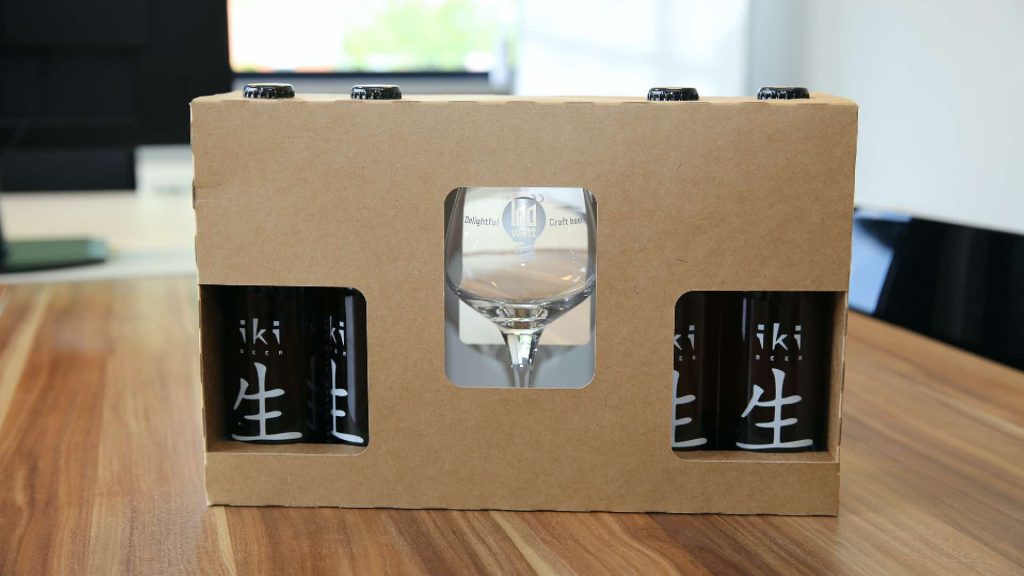
3. Third, a co-packer takes the hassle out of sealing, shrinking, or bundle packs of a product. This makes it easy to sell products such as cans, bottles, and jars in packs. In addition to these options, there are many other ways in which co-packing can take place. The co-packer often consults with the customer to package the product as optimally as possible according to the customer’s wishes.
Types of Products
Co-packing is often used for the following products, among others:
- Cosmetics: makeup, vitamins;
- Personal care: toothpaste, tubes;
- Medications: medications, bandages;
- Food: cooking, crackers, pasta, chocolate;
- Beverages: bottles, cartons;
Benefits of co-packing
By using a co-packer, your products are professionally packaged in (original, standard, or custom-made) packaging. This ensures that the product is presented well. In addition, the product is packaged quickly, saving you both time and money.
Related information:
Chain Logistics & Co-packing
So now you know exactly what co-packing entails. As an experienced co-packer, we at Chain Logistics know what we’re talking about. We’d be happy to assist you with the filling, repackaging, and packaging of your food and non-food products, and we’re eager to work with you to come up with original—but above all, suitable—packaging solutions.
Would you like to know how we can help you with co-packing? Please contact us.